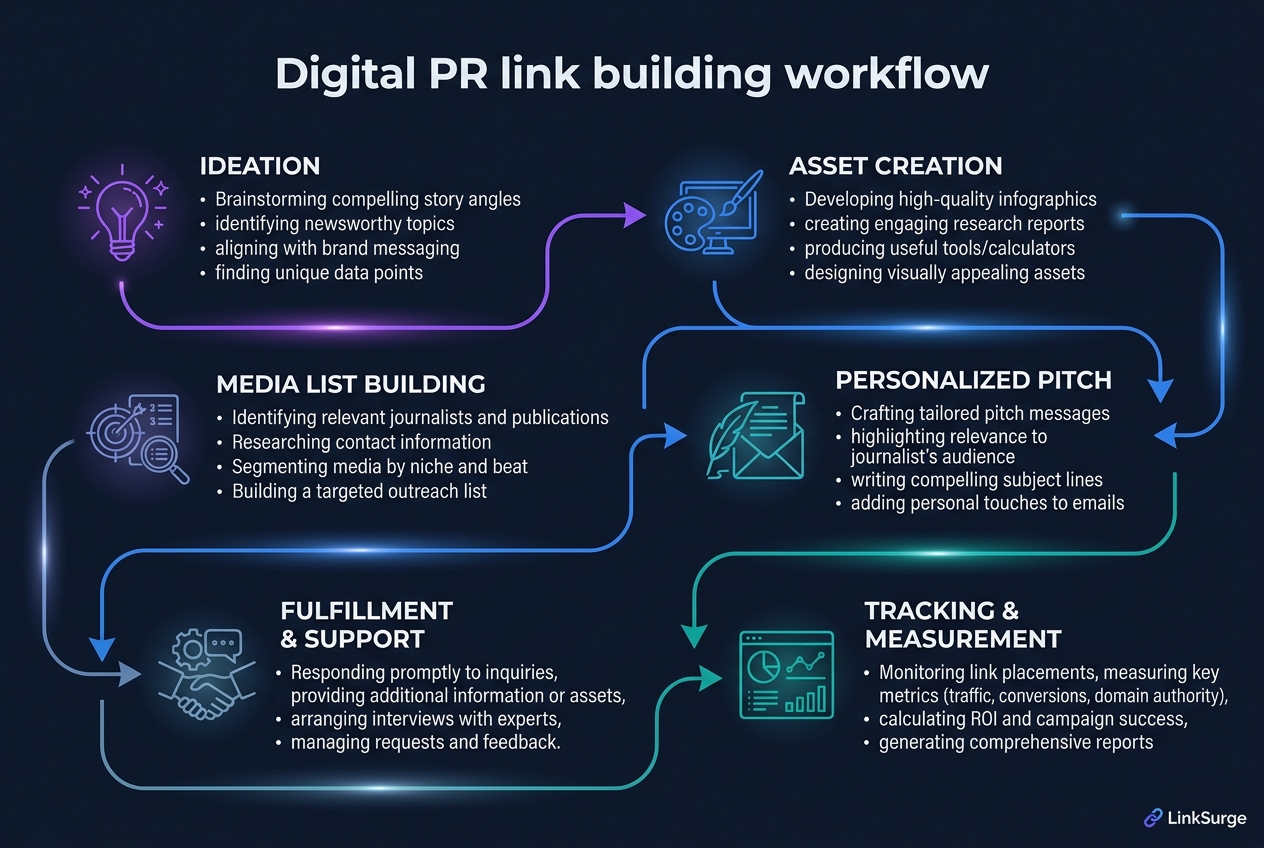
Achieving Verified SEO Results Via Strategic Links
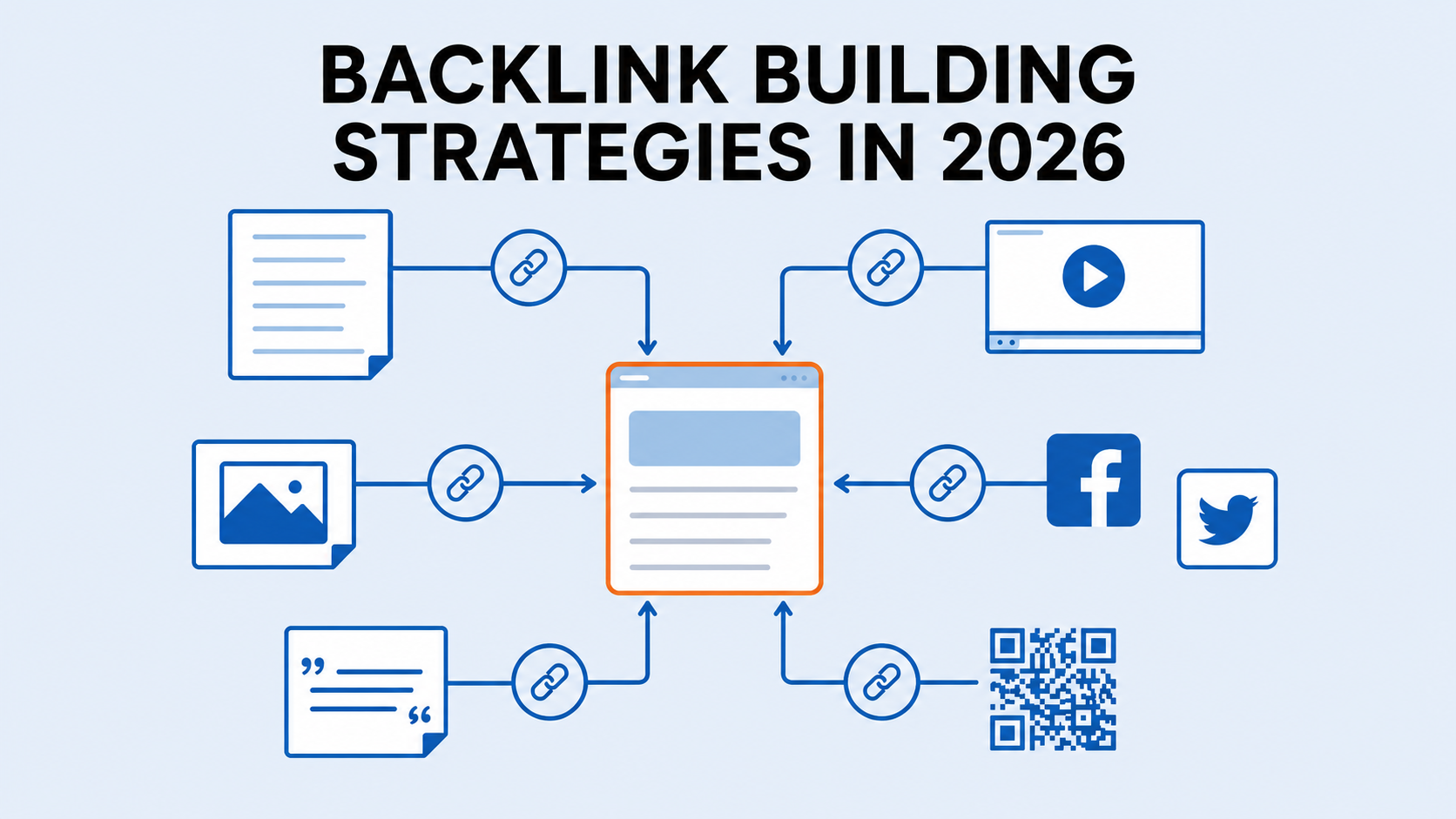
If SEO had a dating profile, it would say: "Looking for something REAL. Not into casual sexes." Still, among the most common concerns we hear is: For how long does SEO require to see outcomes? Individuals are searching for fast answers in a long-lasting relationship circumstance. It's a reasonable concern.
The important things is, search engine optimization (SEO) is a continuous procedure, not a one-and-done service. Let's break this down for 2026 search truth, not outdated blog site recommendations that still believes PageRank is a personality trait. A lot of businesses start seeing quantifiable SEO results within 36 months, with stronger, intensifying gains between 612 months (per Shopify's research study).
SEO success is no longer practically ranking blue links on standard search engine results pages. Today, results reveal up as: AI-generated answers Map loads and regional results Included bits Voice responses Zero-click summaries Brand name mentions without links Which suggests you might be winning before you ever "rank # 1." We're not trying to find the exact same outcomes we had a year or perhaps 6 months earlier.
quality link listComparing Verified and Traditional Link Strategies
Search engines are careful. That's an advantage! Here's what's happening behind the scenes: Browse engines don't distribute visibility rewards like totally free samples at Costco. To discover the very best of the very best website recommendations, they evaluate: Domain history Material quality Search intent alignment User habits signals High-quality backlinks Technical SEO health If SEO worked overnight without carrying out due diligence, spammy links would usually win, and no one desires that dystopia.
Paid advertisements stop the moment you stop paying. On the other hand, SEO projects construct equity that can bring you for far longer. Early SEO efforts often open: Indexing improvements Crawl performance Much better keyword targeting Early natural traffic development Later, those efforts stack into long-term SEO results that scale without increasing spend.
Here's what really takes place when an SEO project is done. Actions in any search engine optimization plan include: Technical SEO audits Fixing broken links Improving website speed and crawlability Google Search Console setup Google Analytics setup Keyword research study tied to search intent Competitor analysis Results you'll see: Not rankings yet, however cleaner information, faster pages, and fewer surprise concerns holding you hostage.
The next procedures, after standard optimizations, tend to trigger; Content to start indexing Long-tail keywords to appear Impressions to increase before clicks Local SEO enhancements to reveal in map results AI answer engines to emerge your material You might not feel popular yet, however online search engine and AI bots ought to be starting to take notice of your digital efforts.
You may even begin to seem like it's settling. Now (finally!), SEO starts doing what it does finest. This indicates: Competitive keywords move Top quality material makes links Brand name mentions boost Organic traffic substances Online search engine results end up being predictable At this stage, SEO isn't vulnerable anymore. Instead, it's protective and offending at the same time.
Evaluating Secure and Old Link Practices
AI fundamentally reshaped how modern-day search works. Today's search experience consists of answer engines that sum up results instantly, AI-generated summaries that pull from several sources, zero-click experiences that satisfy intent without a see, and entity-based exposure that prefers brand names search engines understand, not just pages that rank.
quality link listThey appear as brand name citations in AI responses, attribution in summed up responses, more powerful local prominence in map-based outcomes, and even in voice search responses, where your brand name is spoken instead of checked out. Up to 55% of Google searches now show an AI introduction. Additionally, up to 58% of Google searches now result in no clicks.
That's not SEO failing. SEO fails predictably.
Common timeline killers: Weak content quality Neglecting technical SEO Chasing high-volume keywords too early No backlink technique Irregular publishing No SEO tools or reporting Dealing with SEO like a one-time job Brand names that devote to continuous enhancement, measurement, and adaptation develop momentum over time. Those looking for quick hacks generally wind up rebooting their SEO projects 6 months later.