Adapting to Authority Quality for 2026

Out-of-date, role-based addresses like information @ or contact @ bounce calmly. Old databases consist of spam traps, triggering sender credibility charges. These concerns lower deliverability, hurt public trust, and make citizen outreach seem like a one-way broadcast without any genuine response. Many federal government e-mail lists still depend on generic addresses like info@, admin@, or contact@which may exist only as placeholders or get rerouted, discontinued, or never ever monitored.
These bounce not due to the fact that of spam, however because nobody is around to get the message. Even if the domain stands, a mail box that does not exist or isn't preserved leads to difficult bounces, which degrade your sender credibility gradually. High bounce rates from such addresses aren't simply a technical failurethey're an usability problem.
This develops an incorrect sense of outreach success while missing out on real engagement opportunities. Numerous government systems still utilize out-of-date e-mail lists, often assembled years earlier from public directories or old outreach campaigns. These lists often include recycled addresses when used by real users, which are now repurposed as spam traps by mailbox suppliers and abuse prevention services like Spamhaus or Cloudflare's RBL.When you send to a spam trapeven onceit flags your domain as a possible spam source.
This is specifically dangerous when firms send large batches of e-mails on public-facing services like e-mail newsletters or notifies. According to a market report from Return Course, spam traps are among the leading reasons for shipment failure for high-volume senders, especially when content or list hygiene is ignored. An absence of list upkeep can turn even well-intentioned outreach into a deliverability liability.

Using a real-time email-verification API or bulk email list cleansing tool can filter out void, role-based, or high-risk addresses before you even send. This keeps your sender reputation tidy, cuts wasted sends, and guarantees more of your messages land in real inboxes. Attempt a bulk confirmation to check your list: .
Achieving Premium SEO Success Through Quality Control
An e-mail verification service for federal government firms stops wasted outreach by checking every address in real timeagainst SMTP, MX records, and domain policiesso just valid, deliverable emails are used. It flags role accounts like info @ or disposable domains before they're sent out, reducing bounces from typical 515% to under 1% on tidy lists.
Every email is confirmed through real shipment protocolsnot simply syntax. The system checks DNS records (MX) to confirm the domain exists, then connects directly via SMTP to check if the mailbox is active. This isn't guessing; it's validating with the e-mail server itself. It's an industry-standard practice for making sure deliverability, and used by federal companies managing compliance-sensitive interactions.
Our service checks this before any message is sent out, using real-time verification that includes the complete SMTP handshake. You're not simply cleaning outdated entriesyou're confirming the e-mail is both valid and open to receiving messages today.
Catch-all setups accept any email, even invalid ones, which hurts sender credibility when messages bounce silently. An excellent e-mail verification tool captures all 3. That's where real-time recognition shines. It checks not simply whether the domain exists, however whether the address most likely gets messages. It flags function accounts and disposable domains with high confidence, so you do not waste resources on addresses that will never ever respond.
For government teams handling big citizen contact lists, this level of accuracy is important., you can verify thousands of e-mails in minutes or integrate confirmation into your workflow dynamically. Both tools are constructed for high-volume use and are relied on by agencies managing sensitive, regulated interactions.
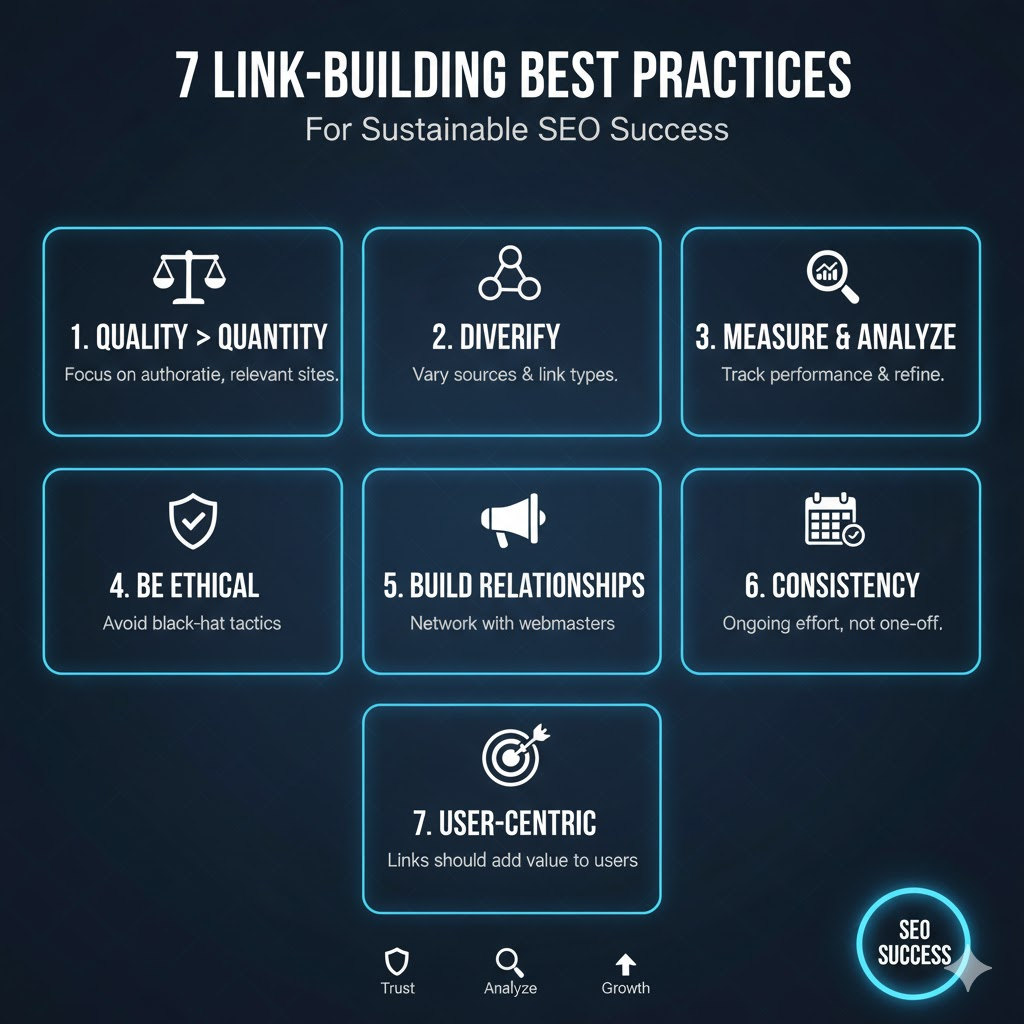
Quality Over Quantity: the Modern Link Mandate
Tools that just inspect syntax miss out on 3040% of invalid addresses. A robust service utilizes genuine shipment validation, not simply rules-based filtering. That's why leading government IT teams choose confirmation tools backed by SMTP-level checks, not simply lookups. Comprehending how e-mail systems workfrom DNS lookup to the final SMTP responseis key to building trust in digital outreach.
GSA SER global sitelistWhen government agencies send out important alertslike ballot suggestions or flood warningsand they stop working to reach citizens due to out-of-date, inaccurate, or undeliverable e-mail addresses, public trust deteriorates. People begin to question whether the company is trusted, arranged, or even mindful of their needs. If you're accountable for outreach, the real cost isn't simply a few bounced messages; it's the erosion of confidence in civil services.
If a flood alert doesn't land in a local's inbox due to the fact that the address was invalid or catch-all, the repercussions can be serious. Email is a frontline tool in digital federal government, but its effectiveness disappears when hygiene is ignored. A single high-volume failure can thwart efforts and expose systemic spaces in data quality.