Evaluating Verified Authority Metrics for Optimal ROI
It is an independent organization that has met the criteria for a Recognized Confirmation Entity and is licensed by the Certification Authority to perform verification for the certification program. Verification is where an independent entity uses the exact same verification toolset(s) to assess and verify that the Provider's product does satisfy the relevant conformance requirements.
The objective is to have a robust, diverse, and competitive market so that Suppliers have options with regard to Recognized Confirmation Authorities. It is possible for an Acknowledged Confirmation Authority to concentrate on hardware just; e.g., Photos and external adapters. It is also possible for Recognized Verification Authorities to focus on software and security.
SOSA Recognized Confirmation Authorities are crucial to the self-reliance and trustworthiness of the Program. Utilizing independent entities to perform verification services supplies a higher level of guarantee for the Provider and End User. When an organization is thinking about making an application for recognition, it requires to consider which Conformance Sets its company can verify.
At this time, these are the only Conformance Sets that can be confirmed and certified. Since the SOSA Standard is big and complex, the Consortium has segmented the requirement into a more workable size. The Consortium has identified the logical set of Conformance Requirements that specifies the abilities an Item should support in order to be validated and accredited.
The total set of requirements is documented in the particular Verification Matrix. Once the company reviews all the requirements, files and offered Test Tools, the organization will create a plan of proof to send to the Accreditation Authority. When sent, the organization will sign the essential legal documents and pay the Recognition Fee.
Is Authority Verification Crucial for 2026?
For the more technical aspects of the submission, the Accreditation Authority will anonymize the information and enlist the Subject Matter Specialists (SMEs) to evaluate the credibility of the proof. The Certification Authority will serve as an intermediary in between the SMEs and the company to ensure neutrality. Once the proof is deemed enough to confirm the organization's claim, the Accreditation Authority will acknowledge the organization as an Acknowledged Verification Authority for the SOSA Conformance Accreditation Program.
Only those organizations listed on the register will be able to carry out verification services for the accreditation program. The company ought to check out through all the essential paperwork and use the offered toolset(s) to perform the verification services. The company should end up being acquainted with the following: In order to begin the process, register your intent on the Intent to Become a SOSA Confirmation Authority type.
It is advised that the organization accommodate more than one area if the company is able. This will reduce any excessive burden on Providers. The organization will get an invoice by means of the email supplied and its Verification ID (VID) Log in to your account at The Open Group here. If you do not have an account develop one here.
Adapting to Authority Standards in 2026
If successful the Certification Authority will issue the Recognition certificate and upgrade the Acknowledged Verification Authority Register. If you have any concerns concerning the verification procedure you can connect to the Accreditation Authority here.
The Texas Medical Board (TMB) requires candidates for an initial license or license renewal to submit documentation establishing legal presence in the United States from TMB's list of appropriate documents. Verification of this documents is part of the Board's licensure and renewal process to validate a person's eligibility to hold a license in Texas.
1621, a person who is not legally present in the United States is not qualified to receive a public benefit. Licenses issued by the TMB make up public benefits under the law for that reason submission of documentation establishing legal existence is needed as a condition of licensure. Applicants must send documentation from the list of appropriate documents before a license may be released or renewed.

The paperwork must be unexpired on the date the initial license is released or the date the license is restored. Beginning March 1, 2026, all people looking for to renew their license should send the appropriate documents.
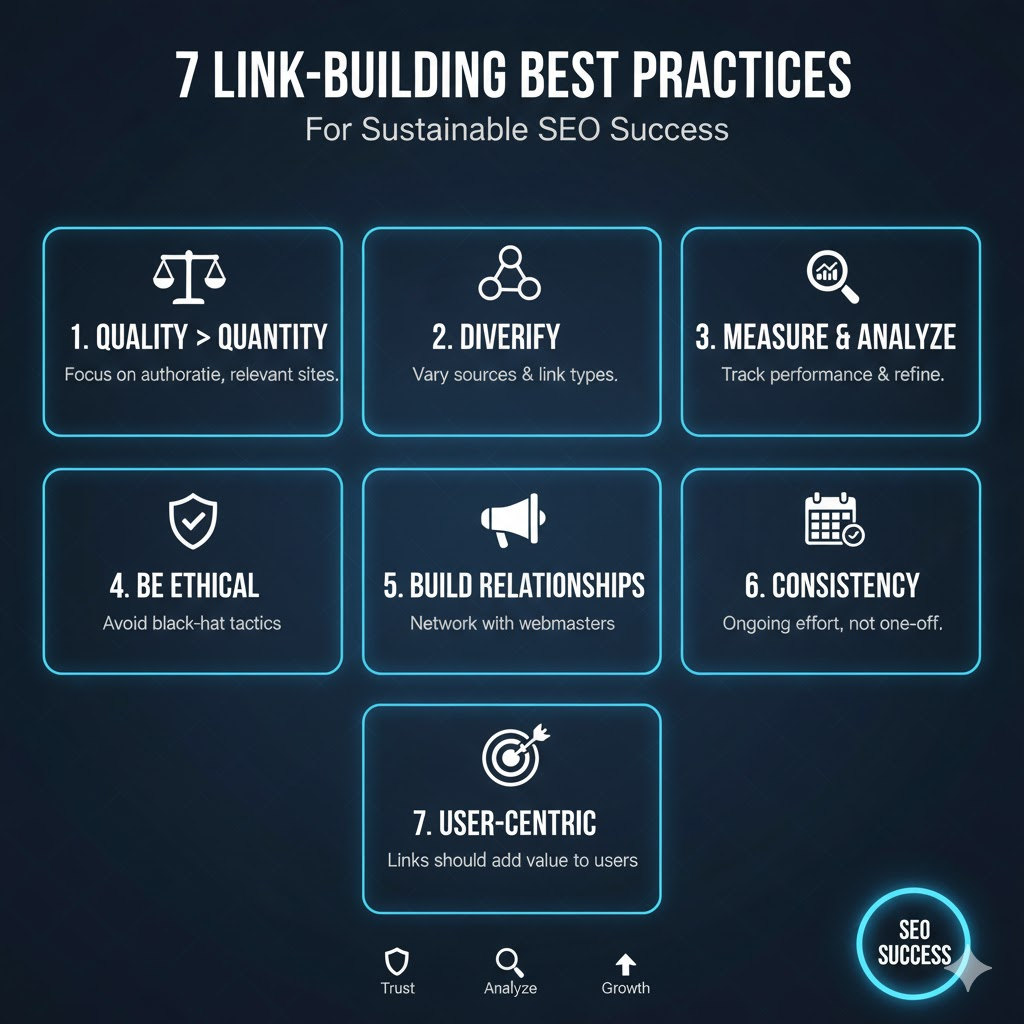
Quality Over Quantity: a New Link Mandate
Confirming a certified or authorized company in California needs navigating credential databases, regulatory company records, and enforcement histories kept by state and federal bodies. This page covers the step-by-step mechanisms for validating company authenticity, the typical circumstances that trigger confirmation requirements, and the decision points that determine which confirmation pathway uses.
An "authority industry company" in California refers to any private, business, or company operating within a managed sector where the State of California requires demonstrated licensure, accreditation, registration, or bonding before services can be legally rendered. This category spans construction professionals, health care practitioners, financial advisors, insurance coverage agents, realty professionals, insect control operators, and environmental services firms, to name a few.