How Quality Verification Drives Success for Corporate SEO
Google now analyzes whether material totally addresses the specific needs behind a query. Content that pleases user intent receives better rankings, lower bounce rates, and more powerful engagement. The SERP design itself exposes Google's understanding of intent. An educational inquiry activates featured bits and "People Likewise Ask" boxes, whereas transactional searches show shopping ads and product carousels.
Identify gaps where user intent is strong however your protection is weak, such as missing contrast pages for popular tools or FAQs about prices. Creating compelling material needs a tactical technique that stabilizes quality, user needs, and online search engine visibility. Successful SEO material addresses what users in fact wish to achieve when typing a query.
Instead of focusing solely on keywords, plan material around user journeys using subject clusters. Develop thorough pillar pieces that cover concepts, then establish supporting short articles that broaden on particular topics. In addition, make sure every material piece has a clear purposewhether to notify, captivate, or convert. Many readers do not read word-by-word but scan for appropriate info.
Evaluating Verified and Old SEO Strategies
Headers assist search engines understand content hierarchy and boost chances of ranking for featured snippets. Consistency signals to browse engines that your website is active and trustworthy.
After developing quality content, enhancing it for search exposure becomes crucial. Appropriate optimization helps search engines comprehend your content and link it with the best audience.
Title tags operate as clickable headings in search results page and influence how users view your content. Keep them under 60 characters and include your primary keyword. Meta descriptions work as your content's "movie trailer" 62.9% of users click pages due to the fact that of engaging meta descriptions. For URLs, preserve a tidy structure by: Keeping them short and descriptiveIncluding pertinent keywordsUsing hyphens instead of underscoresAvoiding special characters Incorporating multimedia components considerably improves user experience.
Furthermore, video material is 50 times more likely to drive organic search results compared to plain text. When adding images, guarantee they're: High-quality and relevant to surrounding textCompressed for much faster loadingTagged with detailed alt text consisting of keywordsPlaced near relevant text for contextThis multimedia approach lowers bounce rates and signals to online search engine that your content supplies value.
These technical elements work together to enhance both user experience and online search engine understanding. Schema markup, likewise called structured data, informs online search engine exactly what your material indicates, not just what it states. This standardized code assists browse engines analyze your content more specifically, potentially opening rich results in search pages.
Mastering Domain Verification for Rank Performance
Properly enhanced images contribute considerably to SEO success. Utilize descriptive filenames rather of generic ones like "IMG00023.JPG". Always add pertinent alt text that explains the image context for both online search engine and visually impaired users. Additionally, compress images for faster loading times, as they often make up 21% of a website's overall weight.
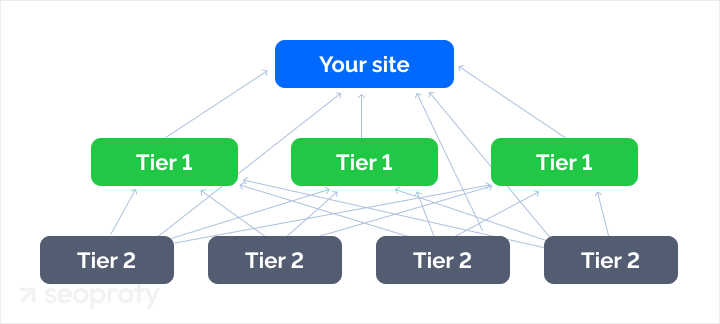
A thoughtful method to linking your pages can enhance crawlability and disperse authority throughout your site. Subject clusters arrange material into interconnected centers of knowledge. Identify core pillar pages that address broad topics. Next, create cluster pages that expand on particular subtopics. Throughout these pages, utilize contextual links to connect them to each other and back to your core page.
On the other hand, contextual links exist within your content body and carry more SEO weight. Google provides higher worth to contextual links considering that they offer topical significance. For optimal results, utilize both types: Navigational links for site structure and user guidanceContextual links for topic relationships and authority circulation Keep important pages within three clicks from your homepage.
Additionally, use descriptive anchor text for all internal linkslimit to five words or fewer. Routinely examine your internal links to determine damaged links or orphaned pages.
Appropriately enhanced images contribute substantially to SEO success. Initially, use descriptive filenames rather of generic ones like "IMG00023.JPG". Always include appropriate alt text that explains the image context for both search engines and aesthetically impaired users. Furthermore, compress images for faster loading times, as they typically make up 21% of a web page's overall weight.

How Quality Verification Matters for Enterprise SEO
A thoughtful approach to connecting your pages can increase crawlability and disperse authority throughout your site. Subject clusters arrange material into interconnected centers of knowledge. Recognize core pillar pages that resolve broad subjects. Next, produce cluster pages that expand on specific subtopics. Throughout these pages, use contextual links to connect them to each other and back to your core page.
On the other hand, contextual links exist within your content body and carry more SEO weight. Google offers higher value to contextual links considering that they provide topical significance. For ideal results, use both types: Navigational links for website structure and user guidanceContextual links for topic relationships and authority circulation Keep essential pages within 3 clicks from your homepage.
In addition, utilize descriptive anchor text for all internal linkslimit to five words or less. Routinely investigate your internal links to recognize damaged links or orphaned pages.