Safe Link Building Methods for Enterprise Scaling

If SEO had a dating profile, it would say: "Looking for something REAL. Still, one of the most typical questions we hear is: How long does SEO take to see results?
The important things is, seo (SEO) is an ongoing process, not a one-and-done service. Let's break this down for 2026 search truth, not outdated blog guidance that still believes PageRank is a personality trait. A lot of organizations begin seeing quantifiable SEO results within 36 months, with stronger, intensifying gains in between 612 months (per Shopify's research study).
SEO success is no longer just about ranking blue links on conventional online search engine results pages. Today, results appear as: AI-generated responses Map loads and regional results Featured snippets Voice reactions Zero-click summaries Brand mentions without links Which means you might be winning before you ever "rank # 1." We're not looking for the same outcomes we had a year or even six months ago.
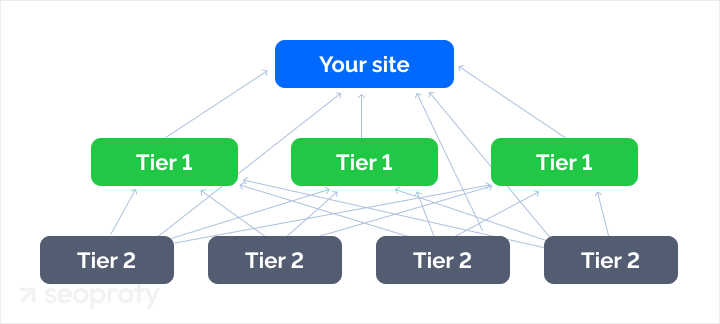
Strategic Control in 2026 Backlink Management
Search engines are cautious. That's an advantage! Here's what's occurring behind the scenes: Browse engines don't hand out presence rewards like complimentary samples at Costco. To find the finest of the best website suggestions, they evaluate: Domain history Material quality Search intent alignment User behavior signals Premium backlinks Technical SEO health If SEO worked overnight without conducting due diligence, spammy links would usually win, and nobody wants that dystopia.
Paid advertisements stop the minute you stop paying. On the other hand, SEO projects build equity that can bring you for far longer. Early SEO efforts frequently unlock: Indexing enhancements Crawl effectiveness Better keyword targeting Early natural traffic growth Later, those efforts stack into long-lasting SEO results that scale without increasing spend.
Here's what in fact occurs when an SEO project is done. Steps in any search engine optimization plan consist of: Technical SEO audits Repairing damaged links Improving website speed and crawlability Google Browse Console setup Google Analytics setup Keyword research study tied to browse intent Competitor analysis Outcomes you'll see: Not rankings yet, however cleaner data, faster pages, and fewer concealed concerns holding you hostage.
The next steps, after fundamental optimizations, tend to trigger; Content to begin indexing Long-tail keywords to appear Impressions to increase before clicks Local SEO improvements to show in map results AI address engines to appear your content You may not feel popular yet, however online search engine and AI bots should be beginning to notice your digital efforts.
You may even begin to feel like it's paying off. Now (finally!), SEO starts doing what it does finest. This means: Competitive keywords move Premium material makes links Brand name mentions boost Organic traffic substances Search engine results become predictable At this phase, SEO isn't delicate anymore. Rather, it's protective and offensive at the exact same time.
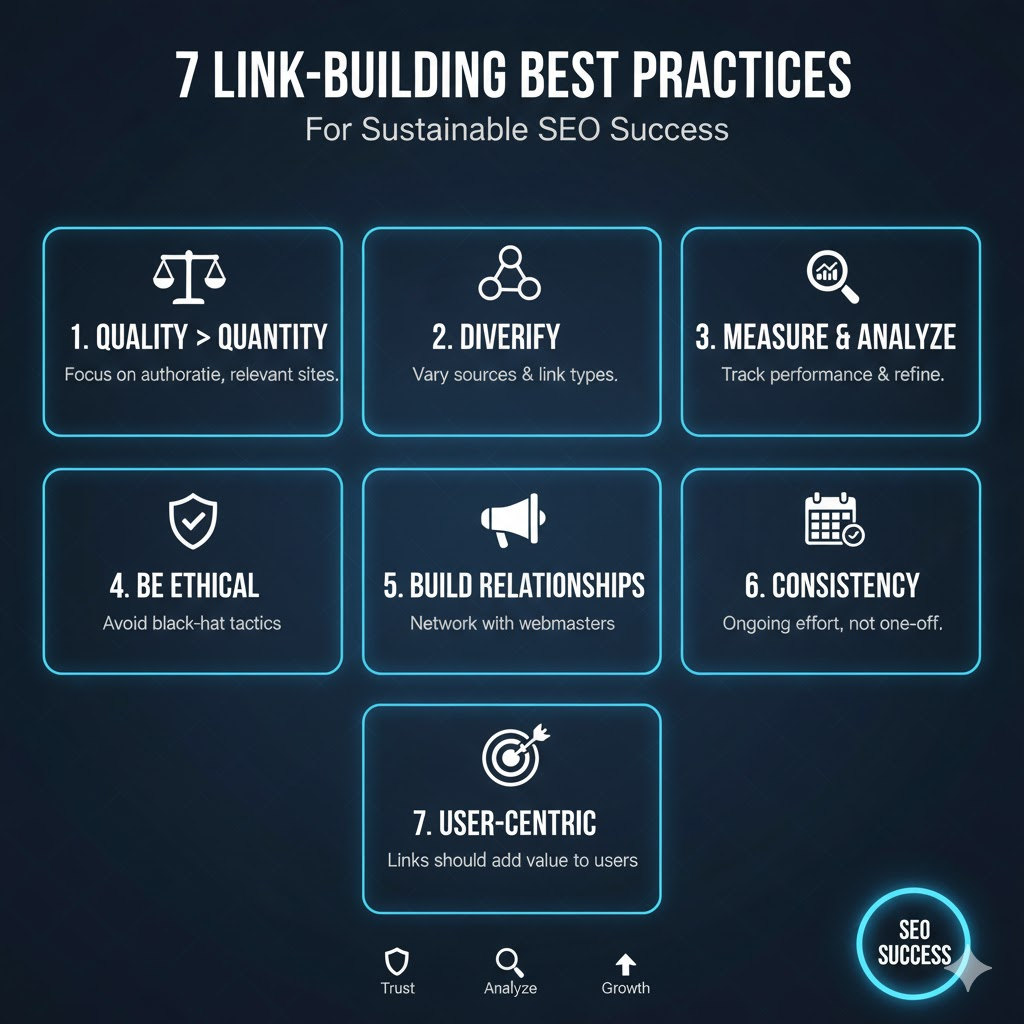
Essential Rules for Link Integration
If you're still measuring SEO by rankings alone, we should probably take a seat and talk. You're not in trouble, but the video game has actually altered quite drastically. AI basically improved how contemporary search works. Today's search experience includes answer engines that summarize results immediately, AI-generated introductions that pull from numerous sources, zero-click experiences that please intent without a see, and entity-based presence that prefers brands browse engines understand, not simply pages that rank.
GSA SER verified listThey look like brand citations in AI responses, attribution in summed up reactions, stronger local prominence in map-based outcomes, and even in voice search responses, where your brand name is spoken rather of gone to. In fact, up to 55% of Google searches now display an AI summary. Furthermore, up to 58% of Google searches now result in zero clicks.
That's not SEO failing. SEO stops working naturally.
Typical timeline killers: Weak content quality Overlooking technical SEO Chasing after high-volume keywords too early No backlink method Irregular publishing No SEO tools or reporting Dealing with SEO like a one-time task Brands that devote to ongoing enhancement, measurement, and adjustment construct momentum with time. Those looking for quick hacks generally end up restarting their SEO campaigns 6 months later.