Scalable Vetting Frameworks for Global Rankings

By catching mistakes at the entry point, you remove backlog for manual scrubbing and prevent squandering send out credits on addresses that never reach an inbox. Whether it's an utility application, a public health project signup, or a tax type, you can embed e-mail verification into any kind that gathers resident information.
For federal government firms, this level of automation minimizes functional cost and increases deliverability. According to a Spamhaus report, poor e-mail health contributes straight to blacklisting. Proactive verification helps avoid that threat totally. You don't require to wait for a quarterly list clean or a stopped working project to learn an e-mail list is full of dead ends.
For government agencies running projects to 100,000+ citizens, sending out to void or undeliverable e-mails does not just squander resourcesit can trigger ISP signals, damage sender credibility, and delay mission-critical communications. Bulk verification strains bad addresses before implementation, ensuring tidy lists, much better deliverability, and reliable inbox positioning. Even with low e-mail volume, a single void address can raise red flags with major ISPs like Gmail and Microsoft, specifically if it's a recognized disposable, syntactically flawed, or role-based address.
As soon as reputation is impacted, even genuine messages may land in scrap folders or be rejected outright. Let's be clear: reputation isn't developed on volume. It's constructed on consistency and deliverability. A company sending out 15,000 emails with a 20% bounce rate faces far greater danger than one sending 100,000 with a 1% bounce ratebecause ISPs keep track of patterns, not just volume.
When your list is complete of invalid or inactive e-mails, you'll get a lot of hard bounces. These straight decrease your sender score. Each round of re-sendingbecause you missed recipients due to poor data qualityincreases the opportunity of being flagged as a spam source. You're not simply postponing outreach; you're endangering future projects.
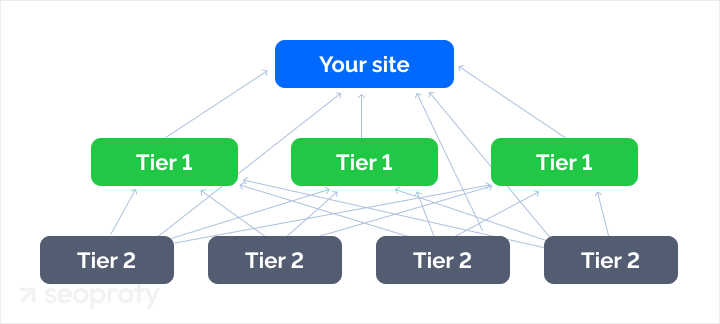
Secure Growth Systems for Enterprise Sites
It identifies and removes invalid, catch-all, and risky addresses before you send out. For example, catch-all domains accept all addresses and can appear on blocklists, while disposable domains are often linked to automated signups and abuse. These can't be safely sent out to, even if syntactically legitimate. Using a trustworthy bulk email confirmation service is how leading government agencies guarantee their outreach is both effective and relied on.

You can't assume your civic message will land in a citizen's inbox. Even with a clean list, poor formatting, spam sets off, or weak sender track record can push your e-mail to spam or scrap folders throughout Gmail, Outlook, Apple Mail, and others. Usage inbox placement screening before sending to capture these issues early, enhance inbox shipment from 70% to 95%+, and make sure public interactions are really seen.
Tools at this level are used by agencies responsible for elections, public health signals, and emergency alerts. Let's state you're sending out tax deadline reminders. An off-key subject line like "Last Notice Act Now!" or a header with excessive capitalization can trigger spam filters even if the list is tidy. Evaluating exposes these risks before public outreach begins.
A 70% inbox placement rate means almost a 3rd of your outreach fails. With correct screening, you can improve that to 95%+guaranteeing residents get the information they require when they require it.
Usage inbox placement screening to replicate real delivery throughout top email companies, catch issues early, and optimize the reach of your public messaging. For government agencies handling citizen outreach, an e-mail confirmation solution should stabilize accuracy, compliance, and operational scale. You require a tool that validates every address in genuine time, removes void, risky, or disposable emails, and does it with 98.9% accuracywithout consuming your budget or complicating your workflow.
GSA SER identified list
Ways to Audit Authority Lists for 2026
Real-time SMTP checks confirm the existence of an email address at the recipient's server, not simply syntax. Domain behavior analysis detects catch-all addresses and non reusable domains that can alter engagement statistics or set off spam filters. Unlike fundamental syntax checks, this technique identifies invalid addresses before they hurt your sender reputation or trigger bounces.
Start with 100 free verificationsno charge card needed, no commitment. Validate your first list immediately. Use the bulk confirmation tool to clean entire outreach lists in minutes, reducing bounce rates from 1530% down to single digits. Integrate the real-time API to verify e-mails at signup, avoiding bad data from ever entering your system.
Tools at this level are utilized by companies responsible for elections, public health informs, and emergency situation notices. Let's say you're sending tax due date suggestions. An off-key subject line like "Last Notice Act Now!" or a header with extreme capitalization can trigger spam filters even if the list is tidy. Testing exposes these risks before public outreach starts.
These aren't hypothetical risksSpamhaus and the Messaging, Malware, and Mobile Anti-Abuse Working Group (M3AAWG) document how particular patterns affect shipment at scale. Pre-send validation and inbox positioning screening lower the possibility of crucial messages being missed. A 70% inbox placement rate suggests almost a third of your outreach fails. With proper testing, you can improve that to 95%+making sure citizens get the information they require when they need it.
Is Authority Verification Crucial for 2026?
Usage inbox positioning screening to replicate genuine delivery throughout top email suppliers, catch concerns early, and optimize the reach of your public messaging. For federal government firms handling person outreach, an e-mail confirmation solution need to balance accuracy, compliance, and functional scale. You need a tool that verifies every address in genuine time, filters out void, risky, or disposable e-mails, and does it with 98.9% accuracywithout consuming your spending plan or complicating your workflow.
GSA SER identified listReal-time SMTP checks validate the presence of an e-mail address at the recipient's server, not just syntax. Domain habits analysis finds catch-all addresses and non reusable domains that can alter engagement stats or set off spam filters. Unlike standard syntax checks, this approach determines invalid addresses before they harm your sender track record or trigger bounces.
Start with 100 free verificationsno charge card required, no dedication. Verify your first list immediately. Use the bulk confirmation tool to clean entire outreach lists in minutes, lowering bounce rates from 1530% down to single digits. Incorporate the real-time API to confirm e-mails at signup, avoiding bad data from ever entering your system.