Steps to Validate Authority Lists for Better Rankings

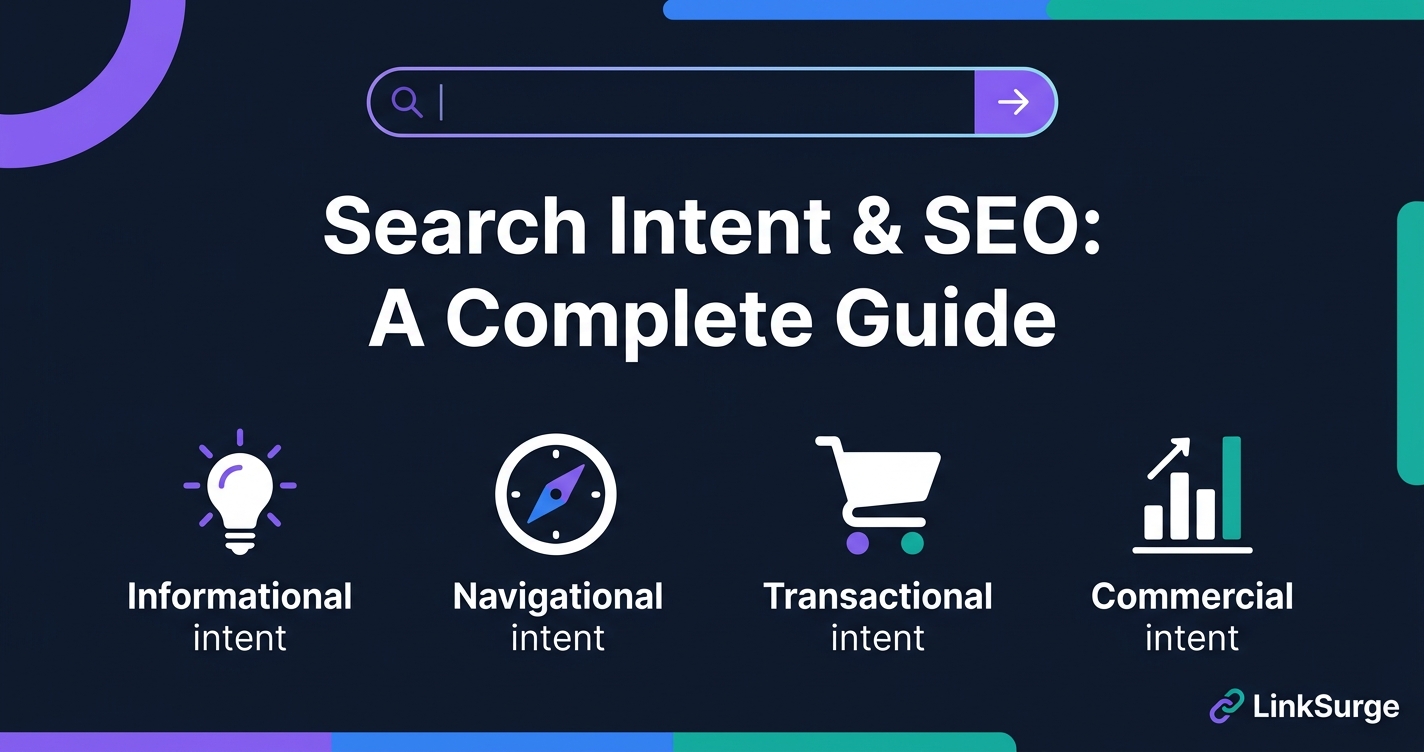
Google now evaluates whether content fully addresses the specific needs behind a question. An educational inquiry activates included snippets and "Individuals Likewise Ask" boxes, whereas transactional searches show shopping ads and item carousels.
Identify gaps where user intent is strong however your coverage is weak, such as missing out on comparison pages for popular tools or Frequently asked questions about rates. Producing engaging content requires a tactical technique that stabilizes quality, user needs, and search engine presence. Successful SEO content addresses what users actually want to achieve when typing a question.
Instead of focusing exclusively on keywords, plan material around user journeys utilizing subject clusters. Additionally, guarantee every material piece has a clear purposewhether to notify, captivate, or transform.
Key Steps for Safe Link Acquisition
Headers help search engines comprehend content hierarchy and increase opportunities of ranking for included snippets. Consistency signals to online search engine that your site is active and credible. For brand-new blogs, go for 6-8 posts month-to-month to establish topical authority. Fully grown sites can accomplish sustained growth with 2-4 top quality posts month-to-month plus routine updates to existing material.
Develop a content calendar to preserve publishing consistency that lines up with your resources and audience expectations. After creating quality material, enhancing it for search presence becomes important. Appropriate optimization helps search engines understand your material and connect it with the ideal audience. Strategic keyword positioning signals content significance to online search engine.
Title tags function as clickable headings in search outcomes and influence how users perceive your content. Meta descriptions serve as your material's "motion picture trailer" 62.9% of users click on pages since of compelling meta descriptions.
filter GSA SER site listsVideo content is 50 times more most likely to drive natural search results compared to plain text. When adding images, ensure they're: Top quality and appropriate to surrounding textCompressed for quicker loadingTagged with descriptive alt text consisting of keywordsPlaced near appropriate text for contextThis multimedia approach decreases bounce rates and signals to search engines that your content provides value.
These technical elements collaborate to boost both user experience and search engine understanding. Schema markup, likewise called structured data, informs online search engine precisely what your content indicates, not simply what it says. This standardized code assists browse engines analyze your content more precisely, potentially unlocking rich outcomes in search pages.
Why Quality Control Drives Success for Enterprise SEO
Always add pertinent alt text that explains the image context for both search engines and visually impaired users. Additionally, compress images for faster filling times, as they typically constitute 21% of a web page's total weight.
A thoughtful technique to linking your pages can boost crawlability and disperse authority throughout your website. Subject clusters organize material into interconnected centers of proficiency. Identify core pillar pages that attend to broad subjects. Next, produce cluster pages that broaden on specific subtopics. Throughout these pages, use contextual links to connect them to each other and back to your core page.
Conversely, contextual links exist within your material body and carry more SEO weight. Google offers higher worth to contextual links given that they offer topical importance. For optimal outcomes, utilize both types: Navigational links for website structure and user guidanceContextual links for topic relationships and authority circulation Keep important pages within 3 clicks from your homepage.
Furthermore, use descriptive anchor text for all internal linkslimit to 5 words or less. Regularly examine your internal links to recognize damaged links or orphaned pages.
Effectively optimized images contribute substantially to SEO success. Initially, use descriptive filenames instead of generic ones like "IMG00023.JPG". Always add pertinent alt text that explains the image context for both online search engine and aesthetically impaired users. Furthermore, compress images for faster filling times, as they typically constitute 21% of a webpage's overall weight.
How to Verify Domain Sources for Better Rankings
A thoughtful technique to connecting your pages can enhance crawlability and distribute authority throughout your site. Throughout these pages, utilize contextual links to link them to each other and back to your core page.
Conversely, contextual links exist within your material body and carry more SEO weight. Google provides higher value to contextual links because they provide topical relevance. For ideal results, use both types: Navigational links for website structure and user guidanceContextual links for subject relationships and authority distribution Keep important pages within three clicks from your homepage.
In addition, use detailed anchor text for all internal linkslimit to five words or less. Finally, frequently investigate your internal links to recognize damaged links or orphaned pages. Sharing your optimized material extends its reach beyond your website, creating multiple opportunities for exposure and engagement. Reliable content distribution serves as a crucial component of your SEO method in 2026.